Rodent Poison Toxicity
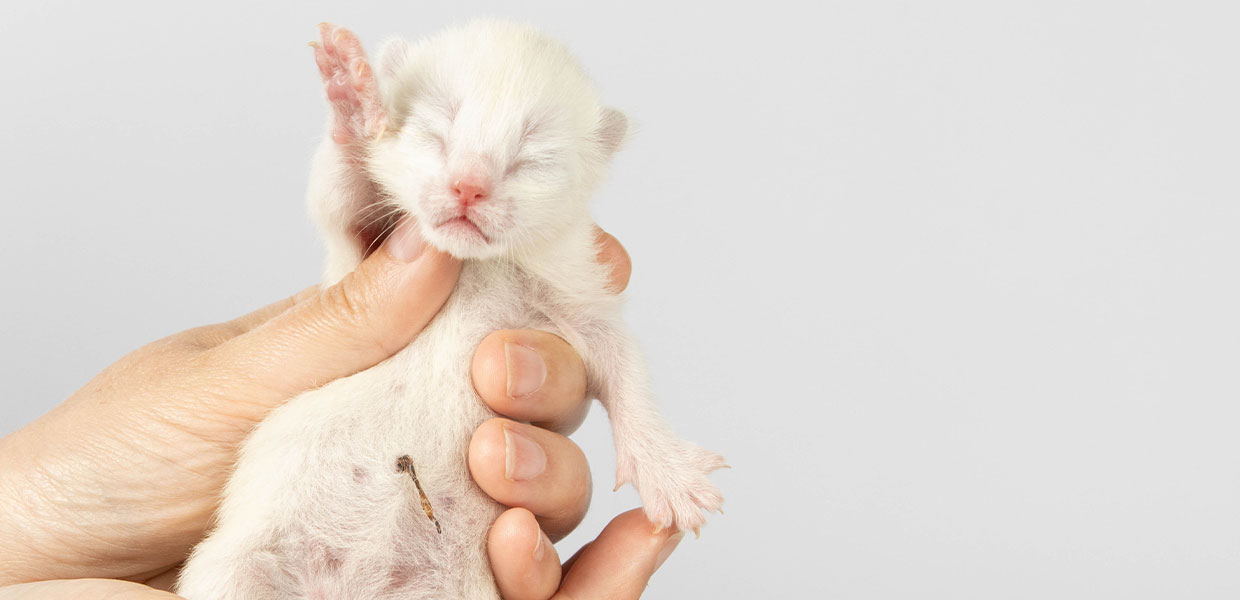
During this study, five separate litters of kittens presented with similar neurological symptoms. Sadly, many of the kittens declined rapidly and did not survive. Through necropsies, the research team found a shared finding across all five litters: white matter vacuolization in the brain. This finding indicated toxic exposure and led researchers to suspect bromethalin, the active compound in rodent poison, as the cause.
Because the kittens were still of nursing age, direct ingestion of rodent poison was considered unlikely. The evidence instead suggests exposure occurred by ingesting their affected mother’s milk, a transmission route that has never before been documented in felines.
For three kittens, Remy, Templeton, and Stewart Little, these findings came just in time. They arrived at our partner, Itsie Bitsie Rescue, appearing healthy. Soon after, Remy developed neurological symptoms and began to decline. He could barely walk or lift his head. The UC Davis veterinary team recognized the pattern and acted quickly. A blood serum test confirmed bromethalin toxicity.
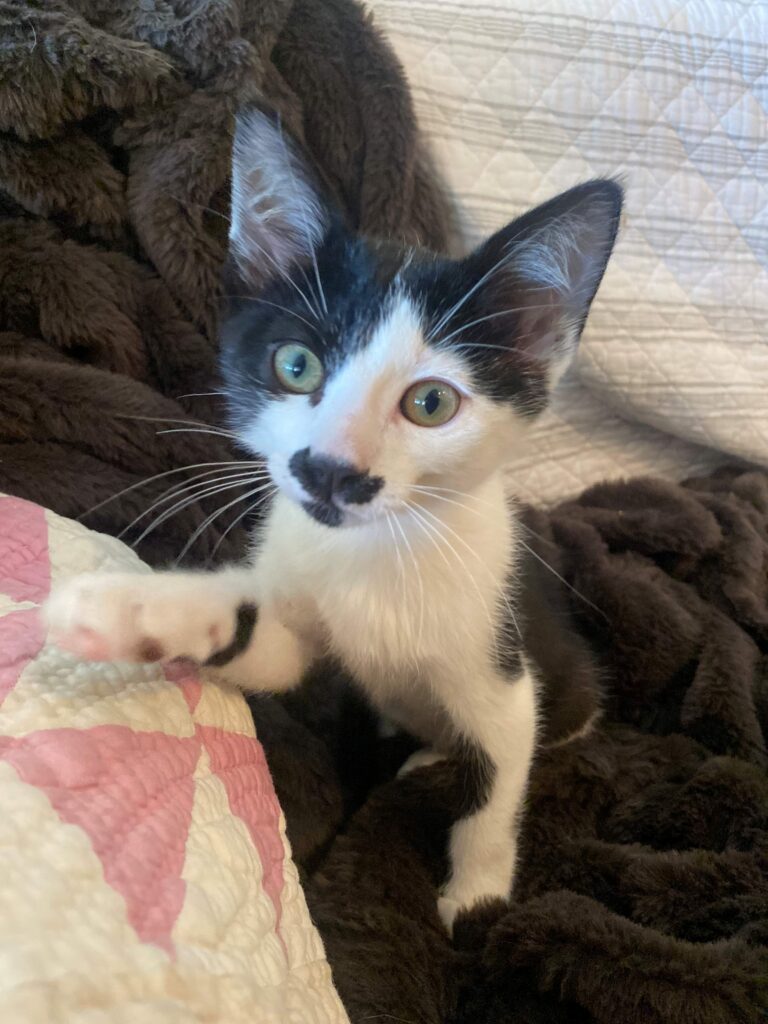
Early diagnosis and treatment for Remy, Templeton (pictured), and Stewart Little was only possible because of what we learned from the litters that did not survive. Today, the kittens are alive and have all been adopted into loving homes.