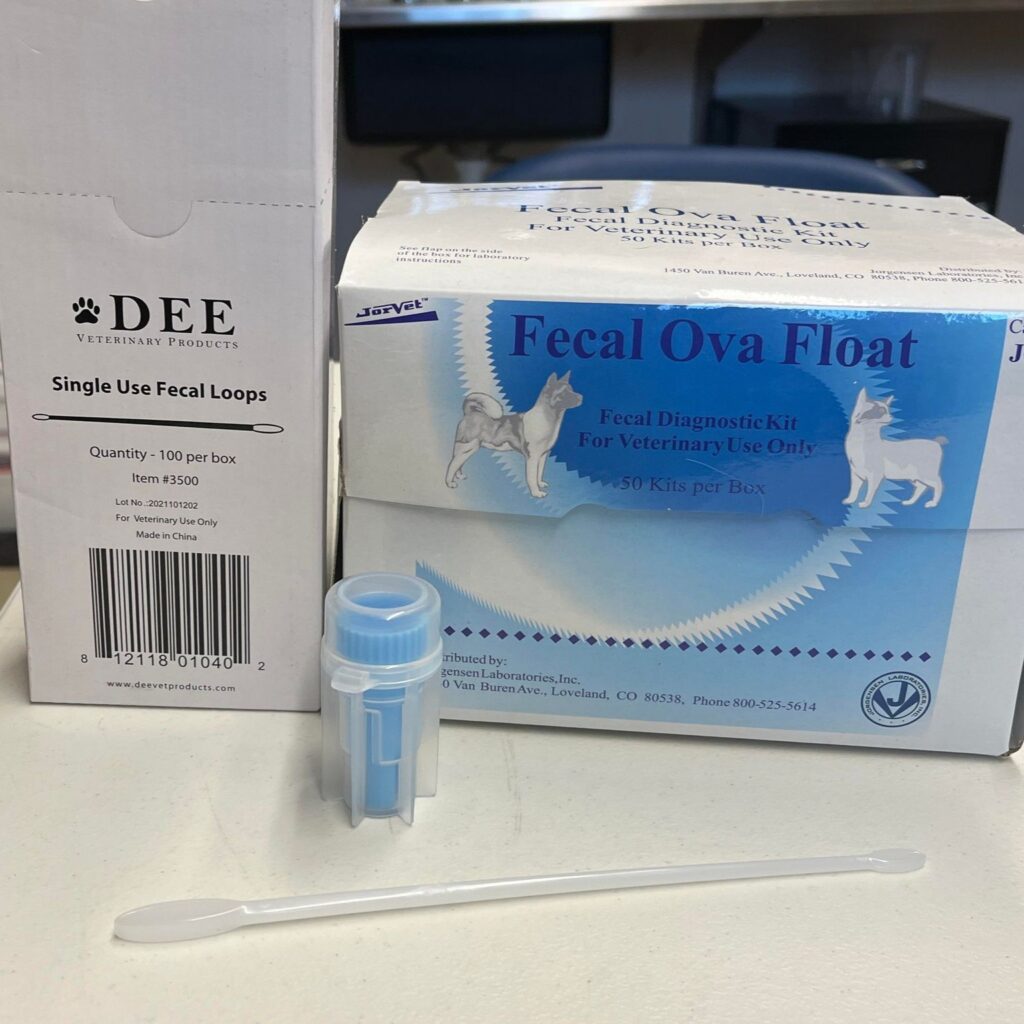
Diarrhea is the number one illness in shelter kittens, and this funding gave the team answers and a way to fight it. With a new microscope, testing supplies, and giardia and panleukopenia snap tests, staff were trained to run fecal tests in house and get results right away. That meant treatment could be adjusted to each kitten, with lighter protocols where possible, and repeat testing to confirm that parasites were truly gone.
One underweight, four-week-old kitten arrived with significant diarrhea. A fecal test found a severe coccidia infection, and after a few days of treatment and careful nurturing, the kitten started gaining weight and acting like a normal, alert kitten. In all, 85 kittens benefited, and the shelter’s lifesaving rate for the month of July reached 96%, up from about 91% in previous years. The equipment and training will keep helping kittens for many more seasons to come.